The Following was written by Pratt Intern Brendon Satmary. Brendon is a senior, studying Biology at Ursinus College. The following is his Internship Analytic Essay
ENV 381B
August 22, 2012
The Pratt Nature Center’s Effect on Young Children
My time at the Pratt Nature Center this summer has been a great experience and showed me many aspects of nature and surprisingly child development. The Pratt Nature Center sits on 200 acres of land in the northwest hills of Connecticut and holds on its property the East Aspetuck River, a small farm, Mount Tom and many other hiking trails, and a year-round camp. When I first arrived, the executive director asked me what we need to survive and where it can be found. The answer is food, air, and water and they all come from nature. The main focus of the center is to engulf children and adults alike in nature and allow them to experience it firsthand. If children can create a personal connection to nature when they are young then they are more likely to develop an interest in nature later on in their life as they relate to their childhood memories and passions. At first it seemed obvious that this would happen but I never knew how obvious it would be and how extreme the difference was when comparing how the children at the Pratt Nature Center embrace nature when compared to children at other summer camps. During the summer I worked on many different tasks including a river bank restoration, an invasive species project, working the vegetable garden, trail maintenance, and enrichment programs. Each of these proved to be a learning experience for the children whether they were helping, analyzing, or “directing” the project.
One thing I noticed almost instantly was that almost all of the children wanted to help in the garden. While the work usually involved weeding and watering the children enjoyed it and would usually surprise me with facts and random bits of knowledge they had apparently gained from their years at the Pratt Center. Many kids would normally shy away from manual labor especially something as monotonous as weeding a large garden but to some of the kids the garden acted as a They didn’t see it as green plants; they saw it as tomatoes, squash, potatoes, corn, peppers, cucumbers, eggplants, etc. They appreciated the effort that was put into the garden and understood the gain of food from working it. While this may seem obvious to most people it is a pretty remarkable sight to have 8 year olds explaining the difference between crop rotation and monoculture. Another cool learning experience that the kids got to have was the hatching of praying mantis egg sacs. There were 4 egg sacs and fortunately they all hatched at the same time while some campers were still at the Pratt Center. Since the garden is an all natural garden, there are no pesticides, herbicides, or inorganic fertilizers used. So what we did was release the baby praying mantis with the kids into the garden and watched them climb along the branches and leaves of the plants and almost instantly blend into the vegetation. We then told the remaining kids at camp how the praying mantis would prey on other insects and help keep some pests out of the garden. It was an overall awesome experience and the kids loved it. I think moments and opportunities such as this one is what sets the Pratt Center apart from other summer camps. It allows kids to be exposed to the natural world around us.

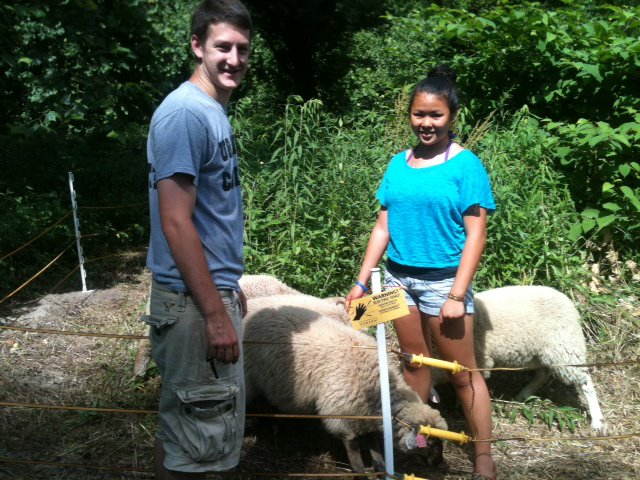
The Pratt Center also offers kids to have first hand experiences with an assortment of animals. The outside animals include 2 goats, 4 sheep, a miniature horse, 9 chickens, a rooster, and currently 10 baby chicks. The kids would help with feeding the animals and collecting eggs from the chicken coops. One of the projects I participated in at the Pratt Center this summer was an invasive species project. In Connecticut some of the main invasive plant species are a species of barberry, Japanese knotweed, and multiflora rose. Since the Pratt Center doesn’t use herbicides or pesticides we came up with a natural way to curb these species progression. We decided to use a portable electric fence to move the sheep to areas that are dense with invasive species. The idea is that the sheep will eat the leaves and stalks of the plants and then trample the root systems so that the plants have a harder time growing back which will leave the native species a better chance at repopulating the area. Goats would work better but they are harder to keep contained and the goats at the Pratt Center are notorious for escaping. We started with the Japanese knotweed and the sheep actually did quite well. We did a one week trial and the kids helped us move the sheep and got to see the sheep’s daily progression. It turned out to be a fairly successful project and the kids enjoyed it!
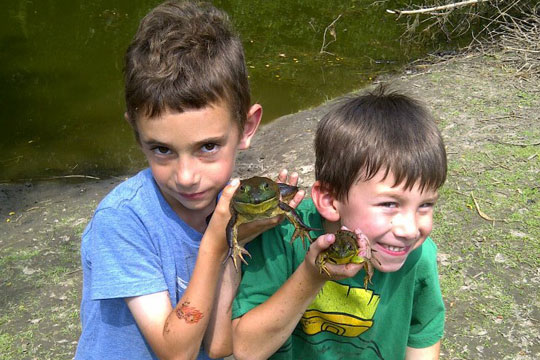
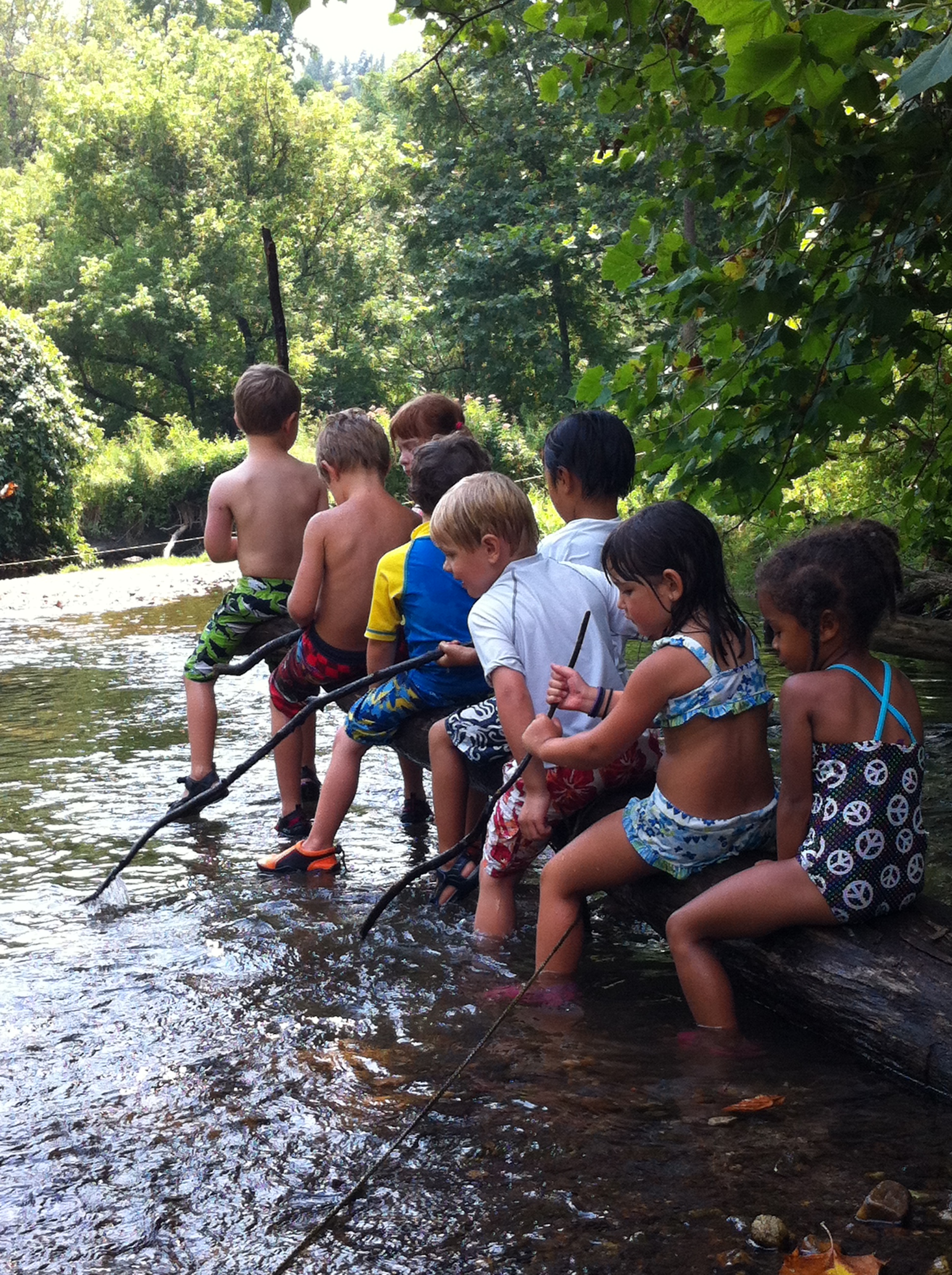
Unlike some camps and organizations, the Pratt Center encourages kids to dive into nature and get dirty. Not only are they being exposed but they have a great time doing it. I don’t know too many young kids who don’t like to play around a pond and have mud fights or wade in a river and try and catch fish and frogs. There was one week that the kids built a dam out of fallen limbs and rocks in the section of the East Aspetuck River that runs through the property. The dam surprisingly worked well and raised the water level a noticeable amount. Even though the head of the Wetlands Committee wouldn’t have been very happy about the change in the flow of the river, it was a great experience for the kids who worked on the dam as they figured out what methods hold back the water best and began to understand the very basic fundamentals of water flow. There was one boy who blew me away and he honestly left me speechless for a few seconds. During the final “stages” of the dam’s construction he told myself and Diane that the water flow on one side was too fast and we asked him what he thought should be done to the dam in order to fix the problem. He looked at the dam for a minute and then looked back and told us that the pressure is too great and we need to put something into the water to diffuse it and equal out the pressure. This boy is 8 years old. I know some adults that would have trouble thinking out a solution. I was completely baffled and impressed and to see him figure it out and to watch him think about it and understand the problem was an awesome thing to watch. Now I am not saying that his thought process was carried out this way because he is a camper at the Pratt Center but I truly believe that the opportunities and exposure he has had through it has influenced the way he thinks and increased his problem solving skills.
One of the coolest games that the Pratt Center does during summer camp is a game called Predator and Prey. The entire camp is randomly divided into 4 teams, the moths, the frogs, the weasels, and the hawks. Each team needs to find certain items, such as food and water tags and other animals, by the end of the game in order to “survive”. For example, if I am a weasel I need to find 2 foods and water tags and “eat” (tag) 2 moths and 2 frogs. It’s essentially a huge game of tag based on understanding the food chain and the different trophic levels. It is a great way to teach the kids about what predators and prey are and their function in an ecosystem. The kids who play realize why certain groups become extinct and why the hawks are more likely to survive than say the frogs. Not only does it expose kids to the natural world around but it also allows them to run around and have fun at the same time.

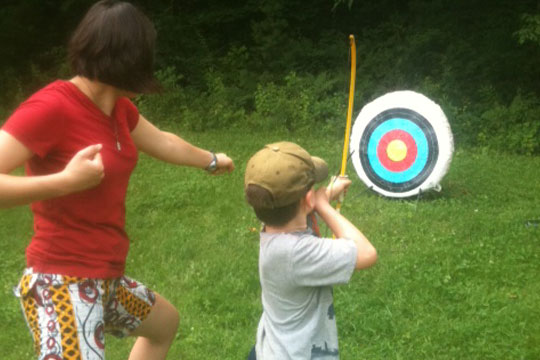
Aside from the year-round camp at the Pratt Center, there are weekly programs called Enrichment Programs. These programs are designed for kids to learn specific skills or knowledge about nature, the environment, or just a fun outdoor activity that incorporates some sort of lesson into it. This summer I have run various Enrichment programs including tree and edible plant identification, shelter building, fire safety and building, fish identification, and learning about wetlands while catching frogs. It is very engaging and allows the kids to create their own relationships and attachments to the world around us. This bond that they create will not only help teach them valuable skills but also influence their outlook on the importance of the environment later on in their lives. Programs such as these are, in my opinion, vital for kids so they can develop a further understanding and liking for the world around them.

Apart from the daily campers at the Pratt Center, I also had the opportunity to run Enrichment programs and field trips for visiting summer camps and outside organizations. The difference between the two groups was incredible. Many of the kids from other summer camps were scared of the bugs and small animals scurrying around the woods. When they were told that they were just insects and there was nothing to be afraid of it was as if you were talking to a wall. The information and advice bounced right off of them. The best way to describe it would be a great discomfort and hesitation from the kids who wasn’t immediately receptive to the instruction or information that they were being told. However, I noticed that as they stayed longer and longer into their visit they became more relaxed and accustomed to the busy world around them. They began to embrace it instead of block it out. The executive director, Diane, would always tell me that there was a difference between Pratt campers and other campers but this was when I realized the difference for myself. I noticed that the kids who live in the cities are less receptive than those who live in more rural and country settings. Diane would always ask every group the same question she asked me when I first arrived; what three things do we need to survive? As you know the answer is food, air, and water. It was very interesting to hear some of the answers to this question when a group of kids who live in a city came to visit. I remember one young boy said we need water to survive and the automatic follow up question that Diane would always give is, where do we find water? Instead of saying nature or outside in a lake or river he said a water fountain. She then asked him where does the water fountain get its water from and he had no idea. It was very interesting to see the lack of understanding of inner city kids compared to kids who have been outside and exposed to nature. I definitely agree that kids who go to the Pratt Center have an advantage in terms of understanding the world around us and understanding the relationships between people and the environment.

Diane came up with a great way to explain the levels of kid’s enthusiasm and understanding of nature. Imagine the kids as players in a video game. The longer they are exposed to nature the more they level up. As they level up they become more comfortable with being outside and gain a better understanding of the relationships that people share with nature. Pratt Center campers are, for example, level 10 while campers from other areas are levels 1 or 2. There is without a doubt a direct correlation to the amount of exposure to nature and the overall understanding and acceptance of it.
The Pratt Nature Center offers many opportunities to kids that help expose them to nature and allow them to make personal connections while they are young. These connections and relations will help influence their outlook on the environment and the importance of nature later on in their lives. By allowing kids to get hands on experience they can gain a better grasp of the world around them and hopefully a better appreciation. I was able to see firsthand the difference between the kid’s behavior and view towards nature and being outside from the Pratt Center as opposed to another summer camp. While some of the other camp’s counselors and directors restrict what the kid’s can do, the Pratt Center encourages the campers to explore and try and figure things out for themselves. It was almost sad to see kids from the city get yelled at because they picked up an insect or were playing in the mud. The Pratt Center leaves a positive impact on children’s lives and allows them to further investigate the world around them due to the overall atmosphere and opportunities available to the kids.
